The Role of AI in Retail Forecasting
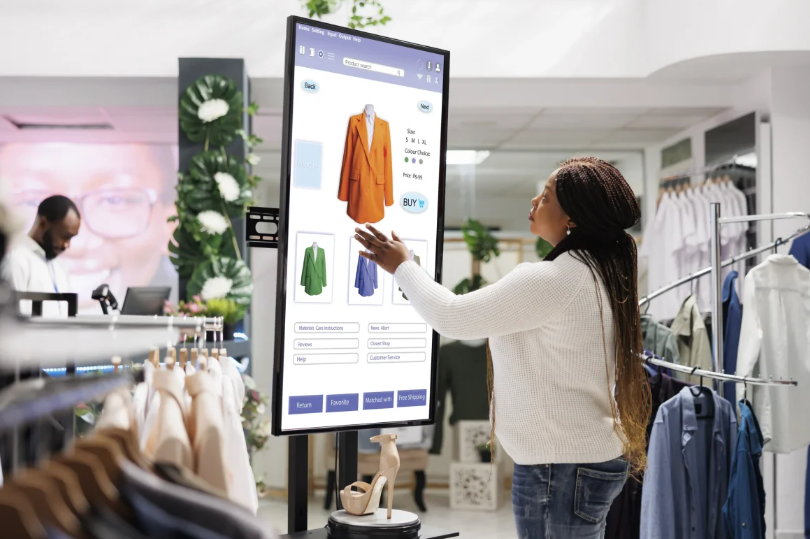
AI has transformed retail forecasting by employing advanced machine learning algorithms to analyze extensive datasets. This analytical approach allows retailers to identify patterns and trends that significantly enhance demand predictions. Consequently, inventory management becomes more accurate, mitigating challenges such as stockouts and overstock. As retailers harness these AI-driven insights, they are poised to make strategic decisions that could redefine their operational efficiency. However, the implications of this technology extend beyond mere efficiency.
Understanding AI and Its Impact on Retail Forecasting
As retailers increasingly embrace technological advancements, understanding the role of artificial intelligence (AI) in retail forecasting becomes imperative.
Machine learning algorithms analyze vast datasets, enabling predictive analytics that enhance inventory management and demand forecasting. By leveraging data analytics, retailers can uncover patterns and trends, ensuring a more responsive approach to market dynamics.
This integration fosters agility and adaptability, granting retailers a competitive edge in a rapidly evolving landscape.
Key Technologies Driving AI in Retail
At the forefront of AI in retail forecasting are several key technologies that significantly enhance operational efficiency and decision-making processes.
Machine learning algorithms analyze vast datasets to identify patterns, while predictive analytics leverages historical data to forecast future trends.
Together, these technologies empower retailers to optimize inventory management and enhance customer experiences, ultimately fostering an environment where data-driven insights lead to greater autonomy and informed strategic choices.
Benefits of AI-Driven Forecasting for Retailers
While the integration of AI-driven forecasting in retail presents numerous advantages, its most significant benefits lie in improved accuracy and enhanced responsiveness.
Retailers achieve heightened data accuracy through sophisticated demand prediction models, leading to optimized inventory management.
See also: The Role of AI in Healthcare Technology
Future Trends in AI and Retail Forecasting
Anticipating the future of AI in retail forecasting reveals a landscape characterized by rapid technological advancement and increasing consumer expectations.
As predictive analytics evolve, retailers will gain deeper insights into consumer behavior, enabling more accurate demand forecasting.
This shift will empower businesses to tailor their offerings, optimize inventory levels, and enhance customer experiences, ultimately fostering a more responsive and agile retail environment.
Conclusion
In the quest for optimization, retailers have turned to AI for forecasting, relying on algorithms to streamline inventory management and enhance customer experiences. Ironically, while these technologies promise precision and agility, the reliance on data-driven insights can paradoxically lead to overconfidence in predictions, potentially ignoring the unpredictable nuances of consumer behavior. Thus, as retailers embrace AI, they must remain vigilant, balancing technological advancements with the inherent complexities of the market to avoid the pitfalls of misplaced certainty.